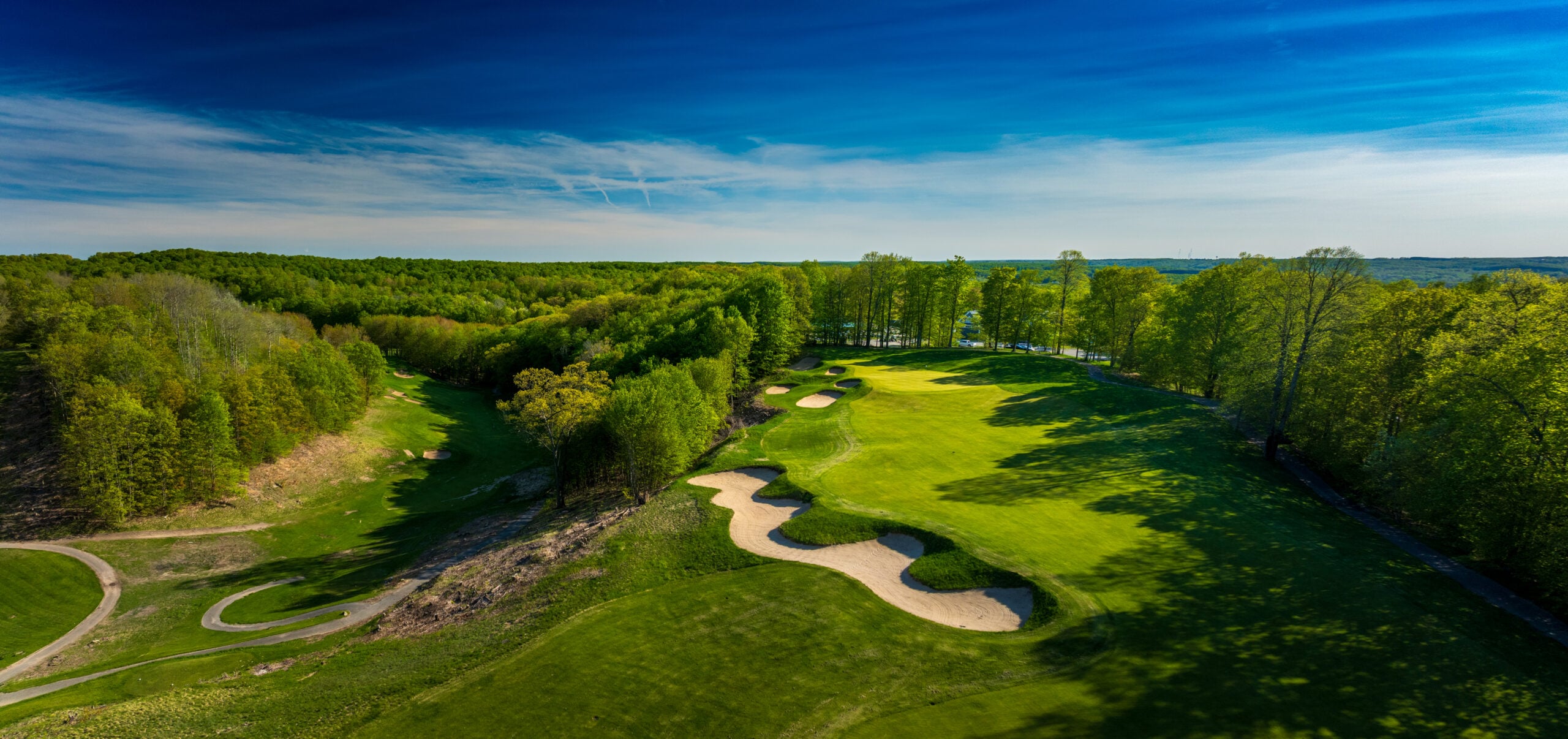
As a global sport, golf is literally everywhere. But each region plays the sport with slight cultural differences. Here’s what you need to know continent to continent.
Golf is a universal language… or so we think.
Tee boxes, fairways, greens, scorecards, bad lies about personal performance, and a trusted excuse to explain a missed putt. Golfers around the world universally do this (some more than others, though).
But golf language also has “accents”, let’s call them. When playing the sport around the world, it becomes obvious: golf isn’t experienced the same exact way everywhere.
A round in Scotland does not feel like a round in Japan. A golf trip through South Africa does not feel like one in Arizona. The rules might be the same (mostly), but the culture, pace, scenery, etiquette, weather, and post-round traditions can make golf feel like a completely different sport depending on the continent.
So, if you are the type of traveler who wants to build worldwide trips around golf, here is what to know about playing across the six inhabited continents (sorry, Antarctica!).
North America
North America is probably the easiest continent for a golf traveler to understand, and chances are, you’re reading us from there.
The United States alone has just about every kind of golf trip you could want. Desert golf in Arizona and Nevada. Coastal golf in California. Resort golf, paired with sports betting sites in Florida. Mountain golf in Colorado. Pinehurst-style history in North Carolina. Bucket-list public courses like Pebble Beach, Bethpage Black, Bandon Dunes, Whistling Straits, and plenty more.
Canada, perhaps due to geographical constraints, is heavy on mountain golf. This is a sharp contrast to Mexico, which is very resort-heavy with golf in places like Los Cabos, Punta Mita, and the Riviera Maya.
Across all three, though, convenience is what stands out the very most. You can rent a car, book tee times online, play 18, grab a beer (or two or three!), and get back to your hotel without feeling like you need a local guide to explain the process.
That is the appeal. Golf here is built for tourists. But… that also means it can feel transactional. The pace is typically expected to move cause others are always waiting. The tipping culture can push costs up big time, especially at resorts with bag drops, caddies, forecaddies, shuttle drivers, and attendants. So, while North American golf can be casual, the service machine around it is not.
Europe
Tourists flock to Europe en masse to experience the ancient feel. The cobblestone streets, the old chapels, the tiny restaurants, and yes, the classical golf courses. The continent is ripe with spots that’ve stood the test of time in golf.
Obviously, Scotland is the biggest draw here. This is golf’s origin story, and it still has a completely different feeling from most modern golf destinations. Links golf is not always pretty in the resort-brochure sense. It can be windy, firm, weird, exposed, and humbling. You are not always aiming at a flag. Sometimes you are aiming at a mound and trusting the ground to do the rest.
Ireland has a similar vibe with courses that feel carved into cliffs, dunes, and old farmland. England has its Open Championship history. Spain and Portugal bring warmer resort golf, especially for travelers who want good weather, food, beaches, and golf in the same itinerary.
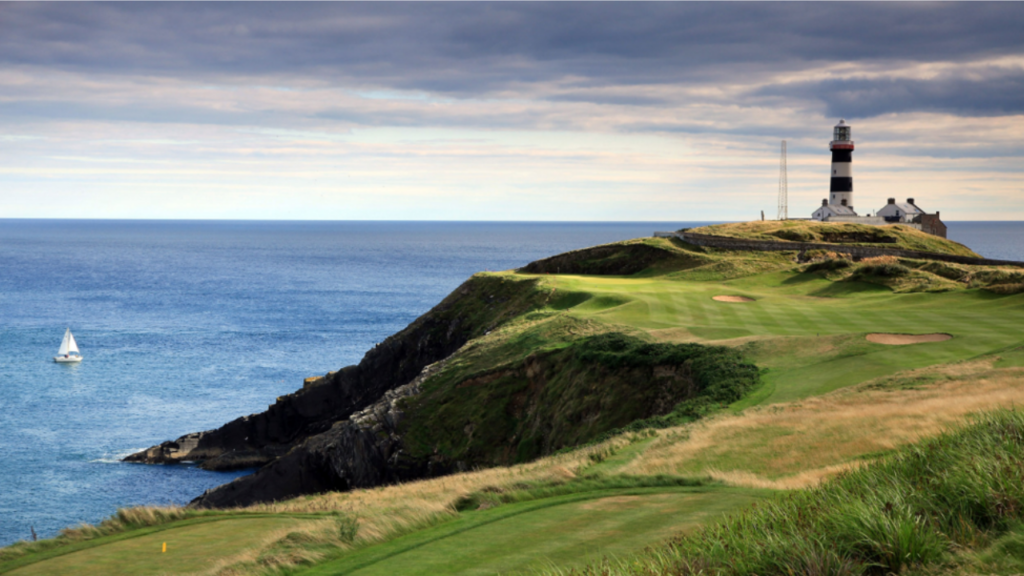
This picturesque golf course is Old Head in Ireland — and no, it’s not AI! It’s 100-percent real!
More than any other continent, tradition matters deeply when golfing in Europe. That’s not to say that everywhere is super stuffy, but you should expect more club rules than you might see in the United States. Some courses care about handicap certificates. Some clubs care about dress codes. Walking is also more central to the experience, especially in Scotland and Ireland. Do not show up expecting every course to hand you a cart and let you swig beer as you drink.
Life moves at a slower pace in Europe, and that carries into the sport. So play and enjoy your surroundings while you’re at it.
Asia And Africa
Asia might be the continent where golf culture can surprise American travelers the most. Take Japan, for example. Golf there is often an all-day experience, not just a quick round for a few hours. Many courses include a required lunch break between the front nine and back nine.
South Korea is also a major golf market, but it can be expensive, competitive, and reservation-driven. Thailand, Vietnam, Malaysia, and Indonesia offer more resort-style golf (like you’d find in Mexico), often built around tropical scenery, caddies, and hospitality.
With any of these locales, the big thing to know in Asia is that etiquette, service, and structure matter more than usual. Do not assume the course operates like your local one back home (if you’re American reading this).
Africa, meanwhile, is probably the most underrated golf travel continent. Seriously, it’s a complete afterthought for most golfers, and that’s a darn shame.
South Africa is the obvious leader of the pack here. Cape Town and its surrounding area (the Winelands, the Garden Route) are as beautiful as it gets. Plus, it’s a package deal playing golf there. Golf travel companies regularly sell South Africa around that exact mix: Cape Town, wine country, Garden Route courses, and, of course, safari experiences. Other countries do the same, but South Africa is a favorite of the brave golfers who head to the continent.
South America And Oceania Are For Scenery
Like Africa. South America is not typically the first place Americans think of for golf travel, but that’s where opportunity lies.
Argentina is perhaps the best starting point. Buenos Aires has classic clubs and a serious golf scene, while the Patagonia mountain region gives you the “wait, this is a golf course?” feeling with picture-esque views. Chile also has golf worth building into a broader trip, especially if you are pairing it with Santiago, wine country, or its own Patagonia area.
The nuance in South America is that golf is not always the whole trip. It is usually better as part of a larger cultural itinerary. Food, wine, football, mountains, city life, and nature all matter here.
Oceania, on the other hand, might be the best continent for pure scenery.
Australia has sandbelt golf in Melbourne, coastal golf, resort golf, and a strong walking culture. New Zealand brings dramatic landscapes that almost feel fake. Courses like Cape Kidnappers have become famous because they look like someone designed a golf course on the edge of the world.
The biggest issue with Oceana? It’s a got dang drag to get there. If you are flying from North America or Europe, it’s a 14-plus-hour trek, and that comes with jet lag. So if you’re going, you’d better stay at least a week to get acclimated and make the flight worthwhile.
To wrap all this up, golfing is familiar everywhere, but the experience is not. Sometimes golf is a resort activity. Sometimes it is a tradition. Sometimes it is an all-day ritual. Sometimes it is a gateway to safari, wine country, mountains, beaches, or cities you never would have visited otherwise.
Thankfully, you can choose to your liking. The options around the globe are literally endless.
Featured Post

 0
0