For the travelling golfer who came for Ballybunion and found something that wouldn’t leave them alone.
There is a moment on the Ring of Kerry when the road crests a rise, the mountains part, and Dingle Bay appears below you in its full, almost unreasonable glory. Silver water, white sand, the Reeks rising dark and dramatic against a sky that cannot decide what it wants to be. You pull over. Everyone pulls over. You stand there absorbing it, feeling slightly defeated by beauty, and then you get back in the car.
What the map does not tell you, what most golfers driving this road do not yet know, is that somewhere in the dunes at the foot of that view, there is a golf course waiting. It has been waiting since 1889. And it is better than anything you have planned for today.
What They Don’t Put on the Itinerary
Ballybunion gets the pilgrimages. Waterville gets the glossy features. Tralee gets the photographs taken from the clifftop that circulate endlessly online and make people book flights. These are magnificent courses, all of them, and the world is right to seek them out.
But the golfers who have played the Kerry circuit more than once, who have come back a second time, a third, who have started building itineraries with the obsessive specificity of people who know what they’re doing. They will tell you something when you find them in a clubhouse bar late in the evening. They will lean forward slightly and lower their voices just enough to suggest that what they are about to say matters.
You have to play Dooks.
Not as a warm-up. Not as a gap-filler between the famous names. As a destination in its own right. As perhaps the most purely honest links experience the southwest of Ireland can give you, precisely because it has never tried to be anything other than exactly what it is.
The Arrival That Earns Its Moment
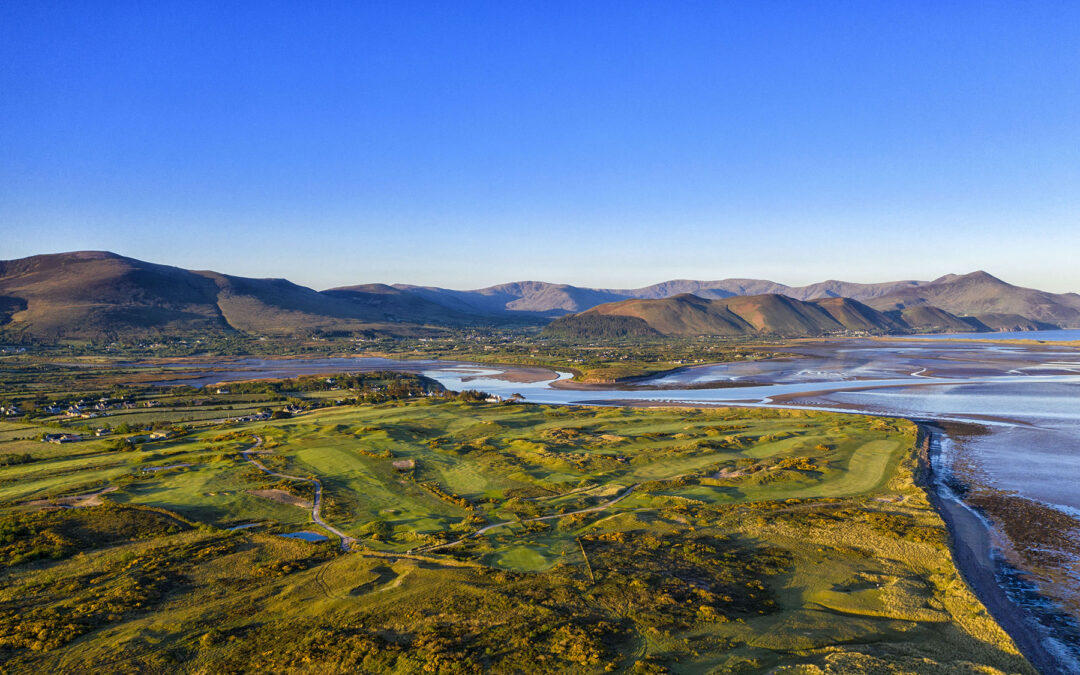
Dooks does not announce itself. This is, by now, a pattern you will have noticed if you have been following this series of dispatches from the Irish links. The great ones never do. The Ring of Kerry delivers you to Glenbeigh through some of the most cinematic coastal scenery in Europe. The road winding above the bay with the kind of views that make you understand why landscape painters exist. And then, without ceremony or resort gateway or any of the architectural apparatus that modern golf venues use to prepare you for what is coming, the course simply appears.
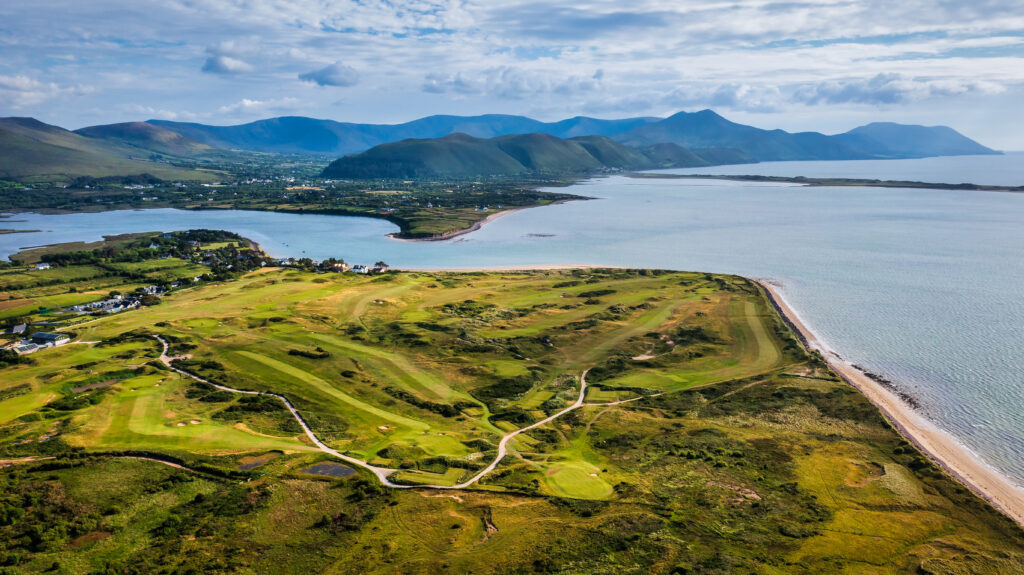
At 6272 yards from the white tees, Dooks is not long by modern standards. Nestled within a narrow strip of linksland between the bay and the dunes, Dooks looks, on first encounter, like a course that grew here rather than was built here. The dunes ripple naturally across the sandy terrain. The fairways sit in the landscape with that settled, ancient quality that only comes from a century and more of the game having been played across a particular piece of ground. The sea is everywhere and yet never quite visible all at once. Glimpsed between dune ridges, sensed in the quality of the air, present in every decision the wind makes about where to go next.
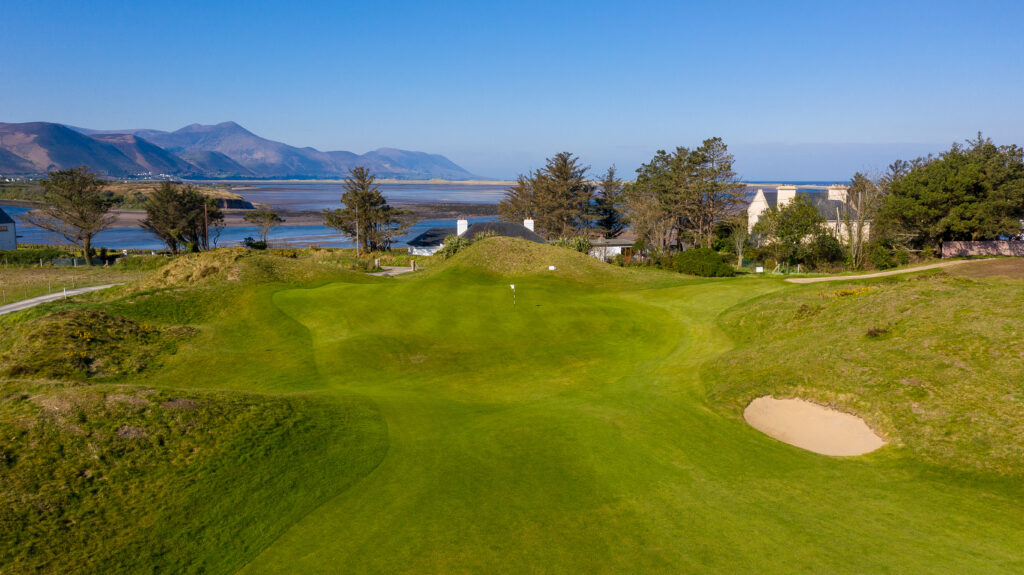
You stand on the first tee and the mountains fill the horizon to the south. The MacGillycuddy Reeks. Even their name sounds like something that belongs to an older, wilder Ireland. Their peaks shift in and out of cloud in the way that Kerry peaks have always done. Unhurriedly, on their own terms and you realise that you are about to play golf inside one of the great landscapes of Europe. This fact alone would justify the journey.
The golf makes it extraordinary.
Old Ground, Refined Hand
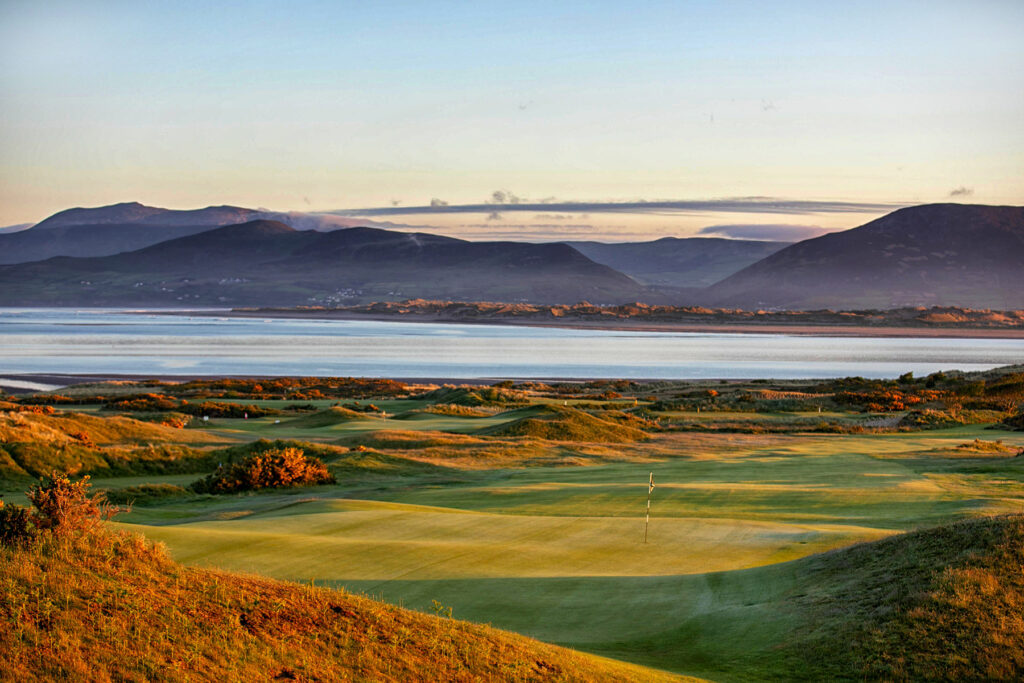
Martin Hawtree redesigned Dooks in 2006, and it is a tribute to his sensitivity that the word “redesign” feels wrong. Nothing here feels altered. Nothing feels imposed. The strategic bunkering he enhanced and the green complexes he sharpened and the routing improvements he made, all of it reads as though the course was always going to become this, and Hawtree simply helped it arrive at its own destination.
This is the test of great links architecture: whether it feels inevitable. Whether the holes seem to have been discovered within the landscape rather than drawn on a plan and then constructed upon it. At Dooks, every hole passes that test. The dunes dictated the routing. The land chose the green sites. The architect listened.
The result is a course that feels ancient and modern simultaneously, as though it has been played this way for generations, which in spirit it has, and as though it was also somehow perfected only recently, which in form it was. That tension, held in balance, is a rare thing. Most courses are obviously of their era. Dooks belongs to all of them at once.
Learning the Language
The opening stretch initiates you gently, with the particular patience of a course that knows it has the whole round to make its point. Fairways appear generous until the subtle dangers within their contours reveal themselves. The firm turf sends the ball running forward in ways that modern golfers, trained on courses where the ball stops quickly and distance is measured in the air, find simultaneously delightful and alarming. A well-struck drive gains another forty yards from the ground. A slightly misjudged approach bounces and releases toward trouble with cheerful indifference to your intentions.
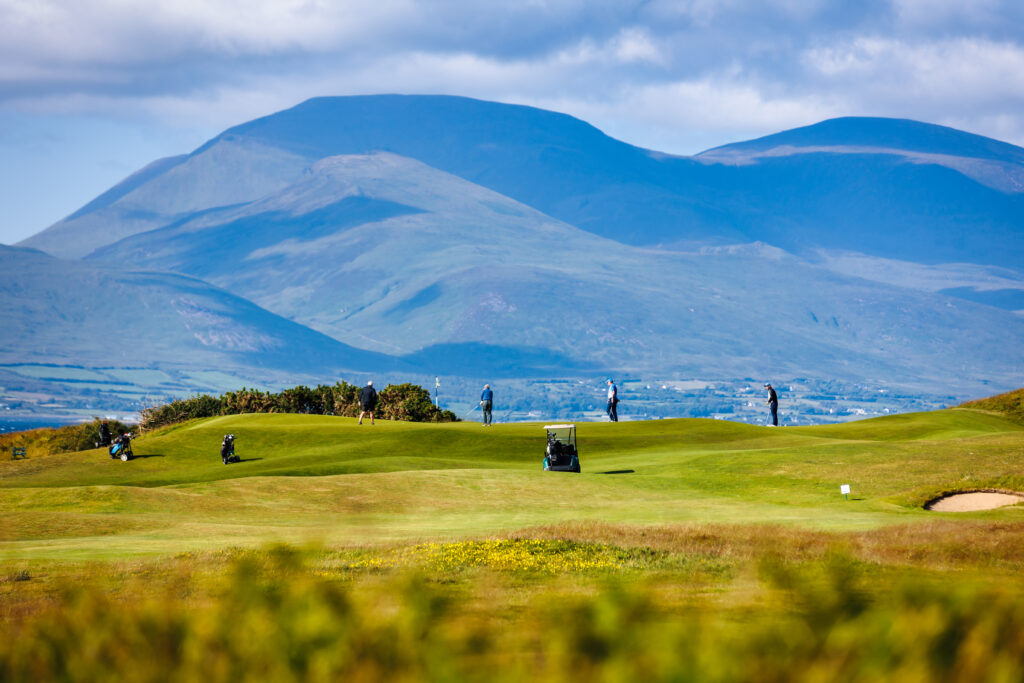
You learn, fairly quickly, to stop fighting and start listening. The ground is not your enemy. It is your collaborator, if you are willing to accept the terms it offers.
That negotiation, between what you intended and what the terrain actually delivered, is one of the great pleasures of links golf in its truest form. Dooks offers it in abundance, and without cruelty. When things go wrong here, they go wrong interestingly. Leaving you with recovery options that reward imagination and touch and the willingness to think laterally. The bump-and-run that threads between two dune ridges. The low punch that fights through the wind and bounces once, twice, releases toward the flag. These shots exist fully at Dooks. They are not concessions. They are the point.
When the Wind Decides to Join You
There will be a day, possibly your day, possibly not, when the Atlantic makes its position known. When the breeze off Dingle Bay strengthens into something with genuine intentions and the course transforms into a different examination entirely. Distances that felt certain at breakfast become theoretical. Club selection turns into educated guesswork conducted under mild duress. Trajectories you have spent years developing reveal their limitations.
And yet Dooks in wind remains enjoyable in a way that some championship links, where the same conditions produce genuine suffering, cannot quite claim. The course was not designed to overwhelm. It was designed to engage. The wind is part of the engagement. A co-author of the round, unpredictable and occasionally infuriating, but never making the experience feel unfair.
There must always be a way to think your way back into the round. The course tests your golf, but it also tests your character — your adaptability, your patience, your willingness to accept what you cannot control and work intelligently within it.
Dooks tests all of these things. Gently, then less gently, then with real conviction somewhere around the middle stretch when the dunes close in and the wind shifts and you realise that the course has been paying close attention to you all along.
The Holes That Stay
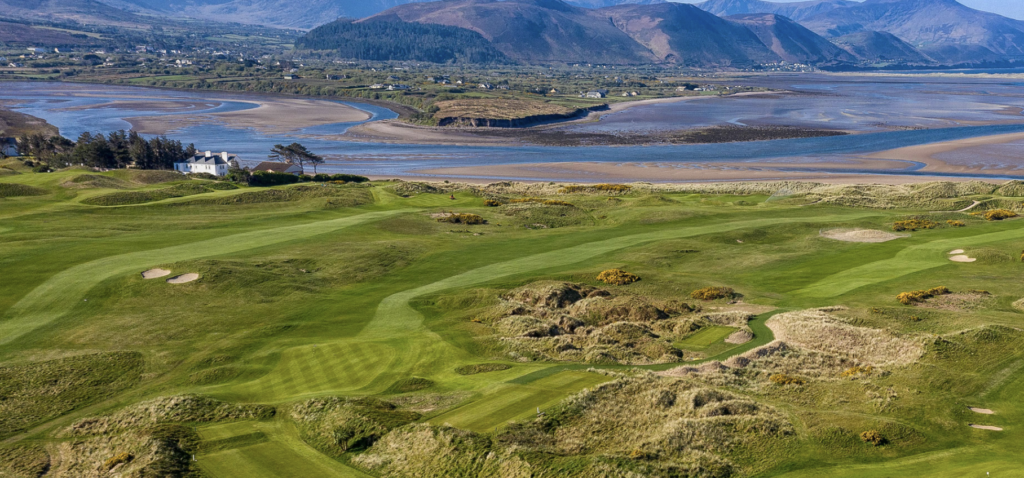
The 431 yard par 4 5th is where Dooks first reveals its full strategic soul — a hole that looks navigable and plays like a question you have not prepared for. The fairway moves through dunes toward a green that appears to offer itself but then, on arrival, turns out to have opinions about where your ball has come from and what angle it has been played at. Precise positioning from tee to approach is not an advantage here. It is a requirement.
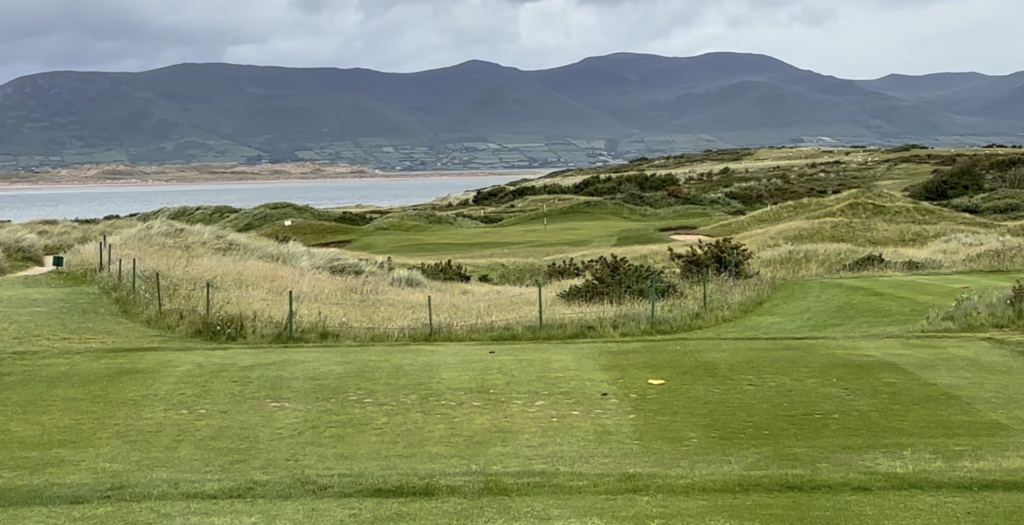
The 171 yard par 3 8th is a classic links one-shotter worn smooth by generations of golfers who have stood on this tee in varying states of wind and optimism. The club in your hand will depend entirely on what the Atlantic is doing today. Even the perfectly struck shot must negotiate bounces that the dune formations influence in ways that can feel either fortunate or devastating depending on your outlook. Both reactions are correct.
God Given Design
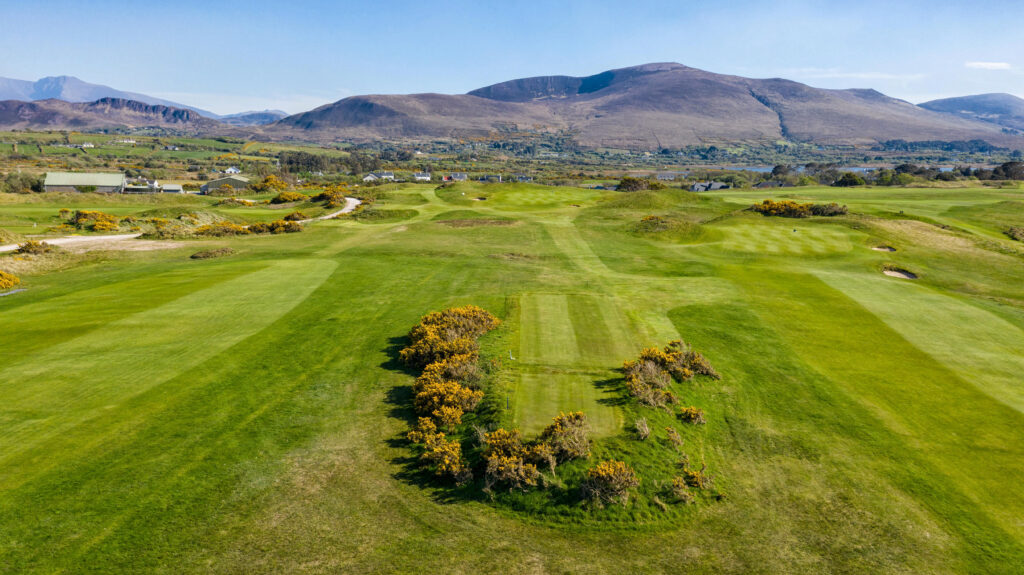
The 154 yard par 3 13th is the hole that will follow you home. Frequently described as a throwback to golf’s earliest days — to the time before courses were engineered and spectacle was considered a design goal. It sits within the landscape with the settled, inevitable quality of something that was always going to be there. The green appears to have simply settled into its hollow centuries ago and is mildly surprised each time golfers arrive to use it. Short by modern standards. Endlessly fascinating by any standard. The kind of hole that great golf course architects study and then spend careers trying to understand.
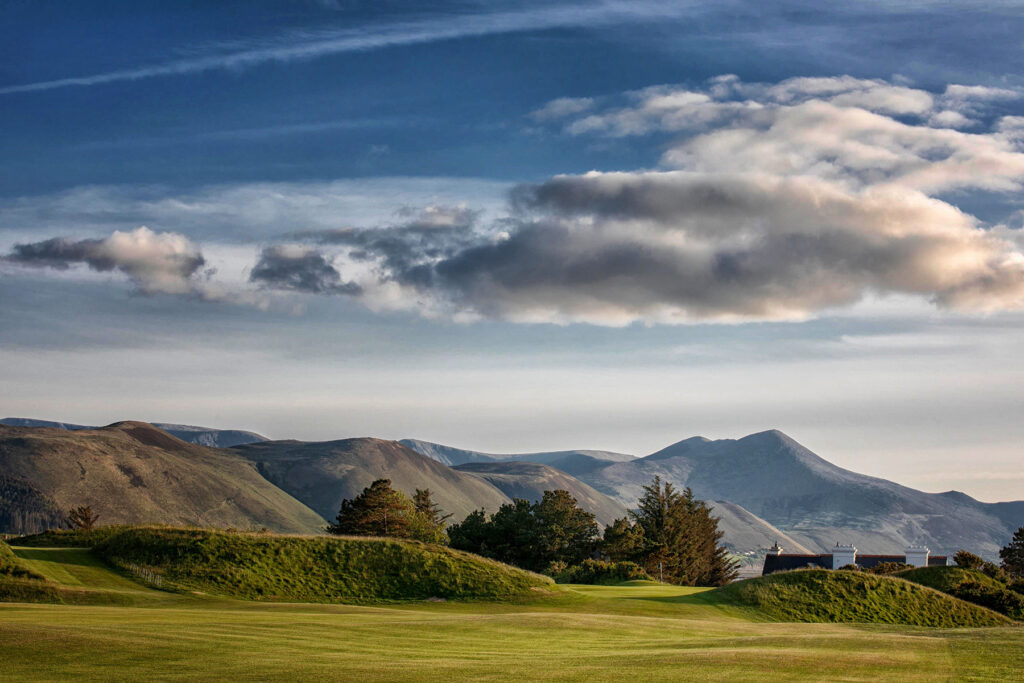
The 417 yard par 4 18th brings you home without theatre or ceremony, which is exactly right. Two thoughtful shots through classic links terrain, the clubhouse gradually resolving through the sea air ahead of you. After everything the round has asked, it is a finishing hole that offers perspective rather than drama. A chance to walk in with the round still in your hands, turning the decisions over, understanding at last what the course was trying to tell you.
Friendly Dooks
There is a phrase that follows this club around. Friendly Dooks. It has been earned so completely over so many decades that it no longer feels like a nickname. It feels like a statement of identity. Like something the club decided, very early, about what it wanted to be and has simply never reconsidered.
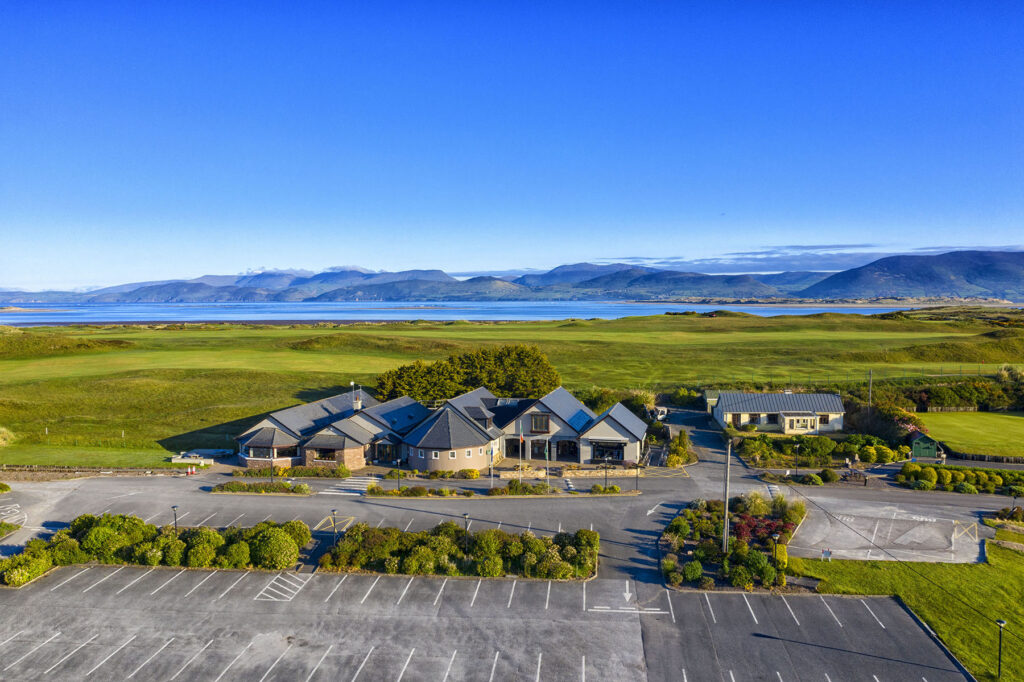
Our post-round meal turned out to be just as memorable as the golf itself. The menu offered plenty to choose from, but we both landed on the same familiar favourite, fish and chips, cooked to perfection, the batter crisp and the portions generous. Paired with a pint of Guinness, it was exactly what the moment called for after a few hours out on the links. A fitting, satisfying close to a thoroughly memorable day.
The clubhouse embodies a traditional Irish golf club in the way that most clubs can no longer afford to be, or have forgotten how to be. Members and visitors exist in the same space without hierarchy or awkwardness. Conversation happens naturally. Stories move around the bar after the round the way they have always moved in these places, connecting the day you just played to all the days that were played here before you.
There is genuine warmth here. Not the performance of warmth that resort hospitality training produces, but the real thing. The warmth of a place that actually wants you to have enjoyed yourself and is curious to know whether you did.
You did. You know you did. And you find yourself, somewhere in the telling, already planning when you can come back.
Kerry Is Waiting Beyond the Gate
The world around Dooks is almost preposterously beautiful. Rossbeigh Beach stretches along Dingle Bay in a long curve of pale sand that rewards an hour’s walking. Before or after the round, it has the particular satisfaction of a landscape that requires nothing of you except attention. Kells Bay, Valentia Island, the Skellig Ring are all within reach. All carrying the specific wildness that the far edge of Europe generates without effort.
Killarney National Park, with its lakes and forests and the ruins of a world that is still present in the landscape if you know how to look, sits a short drive away. The traditional fishing village of Cromane provides fresh Atlantic seafood in the way that only villages close enough to the source can manage. Simply, perfectly, without pretension.
For the golfer building a Kerry itinerary, the southwest offers the great names alongside Dooks — Ballybunion, Waterville, Tralee, Lahinch not far beyond. All of them are worth the journey. But Dooks is the one that tends to end the conversation when golfers who have played them all are asked, late in the evening, which one surprised them most.
The answer is almost always the same.
What Dooks Gives You That No Ranking Captures
Cork Golf Club showed you MacKenzie’s genius. Fota wrapped you in woodland stillness. Rosslare put you at the edge of the world and let the wind make the decisions.
Dooks does something different from all of them. Dooks gives you the feeling of having played golf the way it was first played. On ground that chose itself, in weather that made itself known, with mountains watching from the south and the Atlantic pressing in from the west and the sense, hole after hole, that this game and this landscape have been in conversation for so long that they have simply become the same thing.
That feeling is increasingly rare. The world has built a great deal of golf over the past thirty years. Much of it is impressive, and some of it is even excellent, and almost none of it produces this particular sensation.
Dooks produces it on every hole. Kerry has been keeping this secret for a hundred and thirty years. You are ready to be let in on it.
Where to Stay
Kerry offers far more than golf, and there’s no shortage of places to base yourself. For smaller groups and couples, Glenbeigh itself has cosy options within a few minutes of the course, while Killorglin (15 minutes away) and Killarney (25–30 minutes away) offer a wider range of hotels, guesthouses, and restaurants.
For larger groups of up to 12, Caragh Lake House is well worth considering, just a 15-minute drive from Dooks. It’s a fully private, self-contained luxury residence on the shores of Caragh Lake, with no shared facilities and the whole property reserved for one group at a time — ideal for golf groups, families, or corporate trips wanting a private base between rounds. We stayed there ourselves; you can read about that experience here.
At a Glance
- Fabulous 18 hole links course
- Short game area, putting green and practice nets
- Well stocked professionals shop and welcoming staff
- Comfortable clubhouse with excellent food and wonderful staff
- Just over 30 mins drive from Kerry Airport, 35 minutes from Killarney
- 90 minutes drive from Cork, 65 minutes drive from Ballybunion
- For Green fee information, visit the Dooks Golf Club website here
- Best time to visit: April to October
Thank you to Graham Spring, Club Manager at Dooks Golf Club for hosting us. Thank you also to Chiara in the office for all your help. All aerial photos courtesy of Dooks Golf Club.

Jim Callaghan CCM is a former Club Manager with experience of overseeing several top Scottish Golf Clubs.
Now, as European Editor of Golf Operator Magazine and World’s Best Golf Destinations, he shares insights into club operations and his golfing adventures across Europe.
Jim is also an Ambassador for premium clothing brand Fenix Xcell Clothing and also for the Spanish local DMC, Costa Verde Golf and is host of @JimTheSeniorGolfer on YouTube.
If your club/resort or brand wants to reach over 450,000 golfers, contact Jim at [email protected] or call 0044 (0) 78522 88732
Featured Post

 0
0